
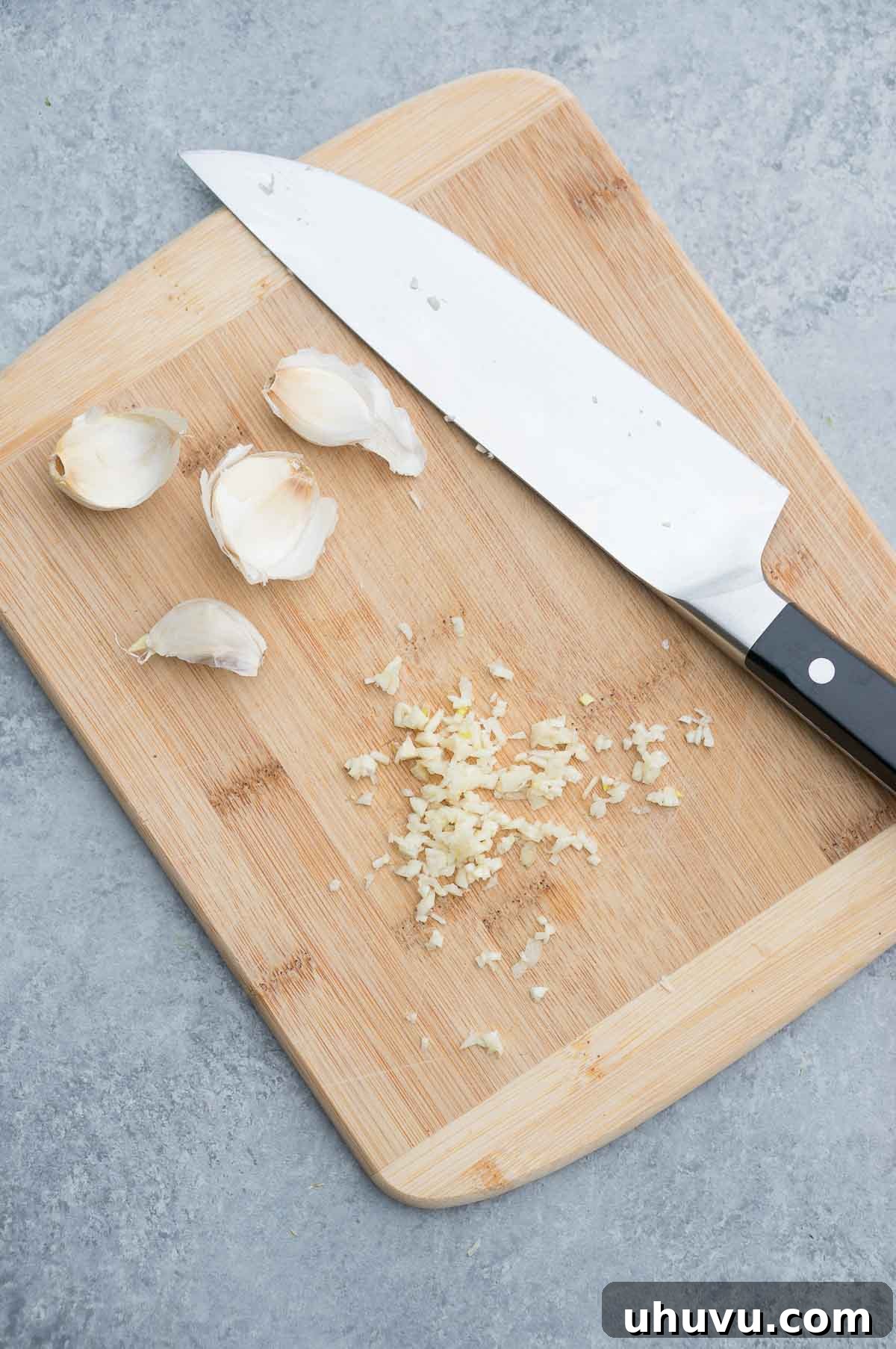
Learning how to expertly peel and mince garlic is a fundamental skill that elevates countless dishes from ordinary to extraordinary. This comprehensive, step-by-step guide, filled with easy-to-follow techniques and expert tips, will equip you to unlock the full potential of this indispensable ingredient in your kitchen.
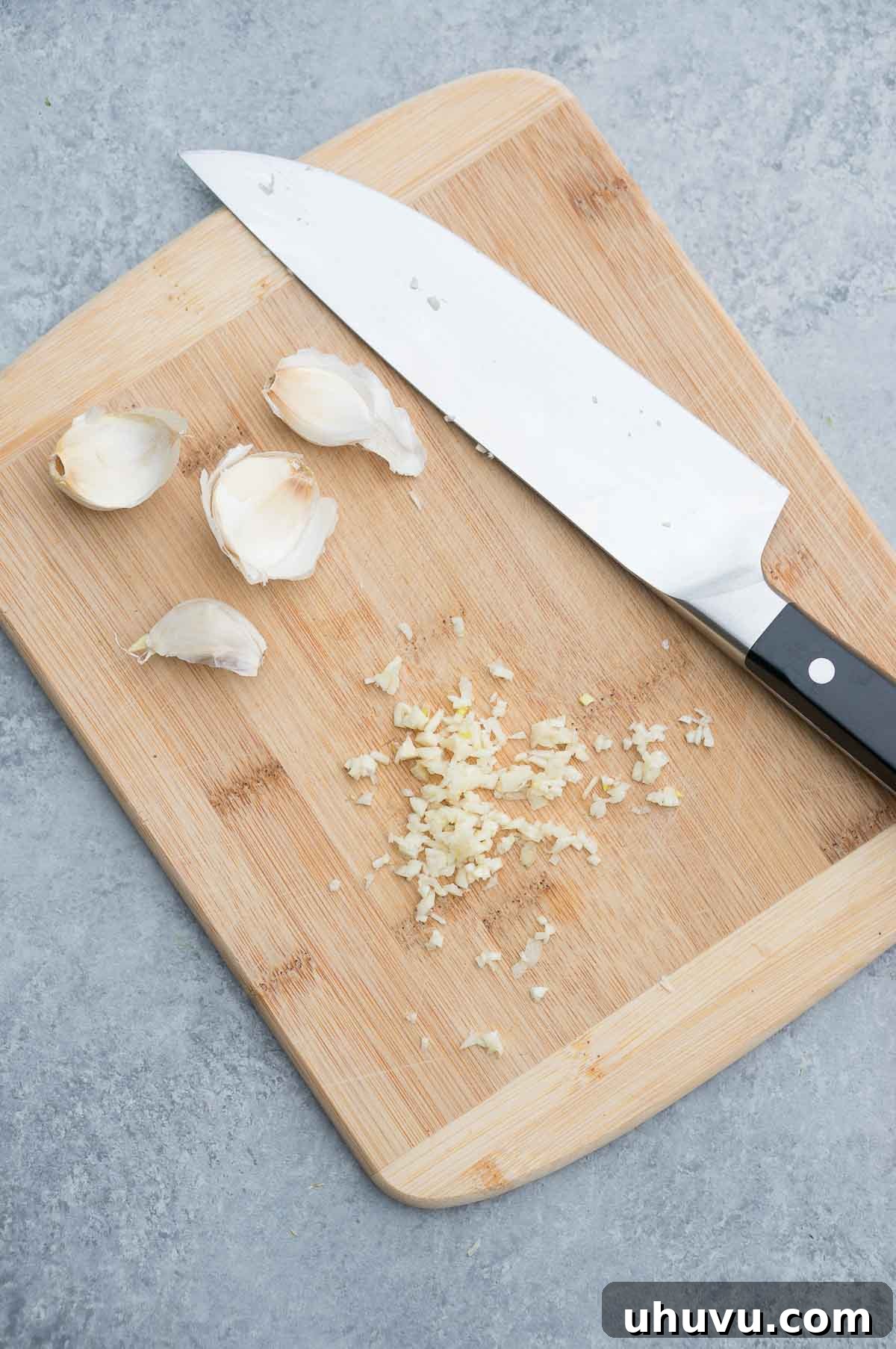
Mastering Garlic Mincing: A Comprehensive Guide to Flavorful Cooking
Garlic, a cornerstone of global cuisines, is celebrated for its pungent aroma and robust flavor. From simple stir-fries to elaborate roasts, its presence is often subtle but undeniably transformative. The way you prepare garlic significantly influences its taste profile and intensity, and among various preparation methods, mincing stands out as particularly effective for releasing its full spectrum of flavors. This guide will walk you through everything you need to know about preparing garlic, from efficiently peeling stubborn cloves to achieving the perfect mince, ensuring your culinary creations are always bursting with rich, garlicky goodness.
Why Mince Garlic? The Science of Flavor Release
Mincing garlic is more than just chopping it into small pieces; it’s a deliberate act that maximizes its flavor and aromatic potential. When you mince garlic, you intentionally break down its cell walls. This action triggers a chemical reaction between two naturally occurring compounds in garlic: alliin and alliinase (an enzyme). These compounds, usually stored separately, combine upon cellular damage to form allicin, the primary compound responsible for garlic’s characteristic pungent taste and aroma.
- Intensified Flavor: The more finely garlic is minced, the greater the cellular damage, leading to a larger production of allicin. This results in a stronger, more intense garlic flavor that deeply permeates your dish, providing a rich, complex undertone.
- Even Distribution: Minced garlic disperses uniformly throughout a dish, ensuring every bite carries a consistent and balanced garlic note. Unlike whole or roughly sliced garlic, which can create pockets of intense flavor, mincing ensures harmonious integration.
- Enhanced Aroma: The increased surface area of minced garlic allows its volatile aromatic compounds to release more readily. This fills your kitchen with its enticing scent even before it hits the pan, translating directly into a richer taste experience on the palate.
- Versatility in Cooking: Minced garlic blends seamlessly with other ingredients, making it an ideal choice for a wide array of recipes. It’s perfect for sauces, marinades, dressings, stir-fries, and sautéed dishes where you want the garlic to melt into the background while still making its powerful presence known.
- Faster Cooking: Due to its small size, minced garlic cooks much faster than whole or sliced cloves, releasing its flavors quickly into hot oil or other liquids, making it perfect for quick sautéing.
Understanding this biochemical process highlights why mincing is often the preferred method for many recipes aiming to leverage garlic’s full, vibrant flavor profile.
Choosing the Right Tool for Mincing Garlic
While a sharp chef’s knife and a sturdy cutting board are often all you need, having the right tools can make the process faster, easier, and more tailored to your specific culinary needs. Here’s a look at common implements and their advantages:
1. The Chef’s Knife and Cutting Board: The Classic Method
For many home cooks and professional chefs, a sharp chef’s knife and a stable cutting board are the go-to tools for mincing garlic. This method offers the most control over the texture of your mince, allowing you to achieve anything from a coarse chop to a fine, almost paste-like consistency. It’s also an excellent way to practice and refine your general knife skills.
2. Garlic Press: For Speed and Convenience
A garlic press is a convenient gadget that rapidly crushes cloves, producing a very fine, pasty consistency. It’s ideal for those who want to avoid sticky fingers and quickly add garlic to dishes without much fuss. However, some presses can leave behind fibrous bits, and the resulting garlic tends to be wetter than knife-minced garlic, which can subtly alter its behavior when cooked. It’s best for dishes where the garlic will be cooked in a liquid or sauce.
3. Microplane Grater: For an Ultra-Fine Texture
A Microplane grater produces an incredibly fine, almost purée-like garlic that dissolves quickly and seamlessly into sauces, dressings, and vinaigrettes. This method is fantastic for raw applications or when you want the garlic flavor to be subtle yet pervasive without any noticeable solid pieces. It’s also great for infusing strong garlic flavor without any textural interference.
4. Food Processor: For Large Batches
If you’re preparing a very large quantity of garlic (e.g., for making homemade garlic paste, large batches of marinades, or cooking for a crowd), a food processor can be a real time-saver. Simply add the peeled cloves and pulse a few times until they reach your desired consistency. Be careful not to over-process, or you’ll end up with garlic liquid or a bitter paste due to excessive cell damage.
5. Silicone Garlic Peeler Tube: A Handy Peeling Trick
While not a mincing tool, a silicone garlic peeler tube is an incredibly handy gadget for quickly removing garlic skins. You simply place a few unpeeled cloves inside, roll the tube firmly on your counter or between your palms, and the skins magically come off, saving you time and preventing sticky residue on your hands.
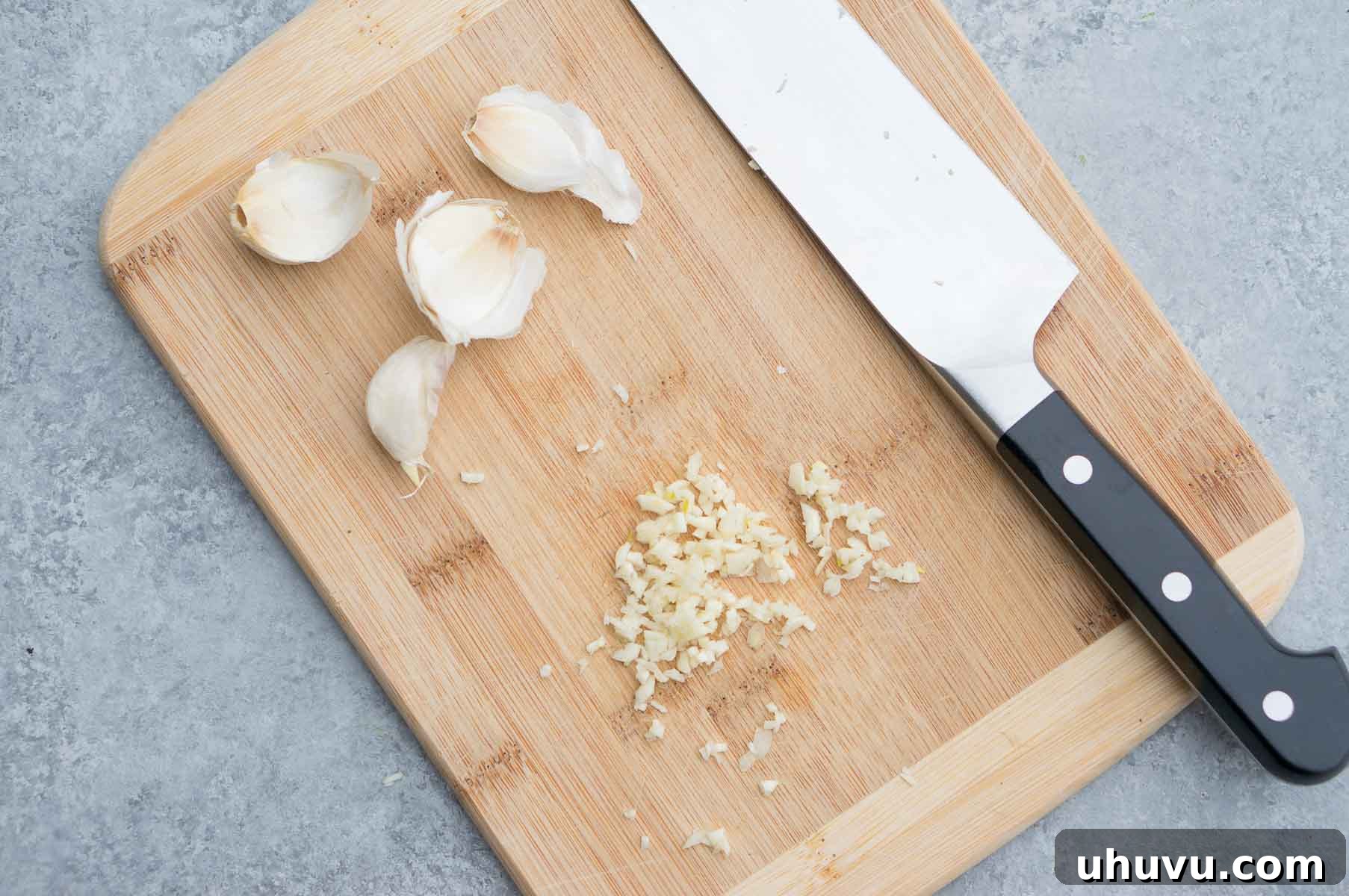
Step-by-Step Guide: How to Peel and Mince Garlic with a Knife
Mastering the knife method for mincing garlic is a foundational kitchen skill that offers superior control over the final texture and flavor. Follow these detailed steps to achieve perfectly peeled and minced garlic:
-
Loosen and Separate the Garlic Cloves:
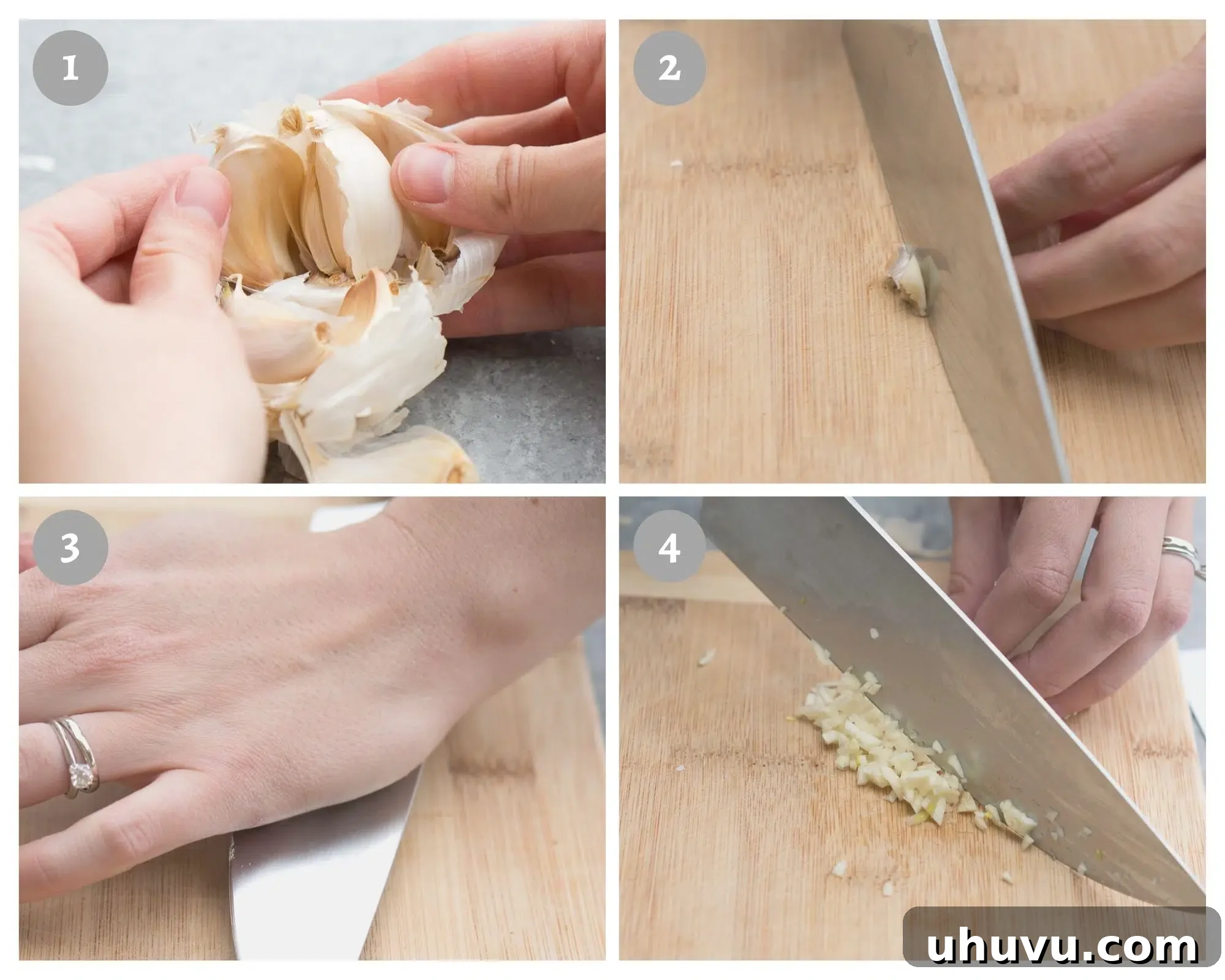
Begin with a fresh head of garlic. Remove any loose, papery outer layers from the bulb. Then, place the bulb on your cutting board and press down firmly with the palm of your hand. This gentle but firm pressure will help loosen the individual cloves, making them easier to separate from the main bulb. You can also carefully pry them apart with your fingers.
-
Trim the Root End of Each Clove:
Select the individual garlic cloves you intend to use. Each clove has a hard, woody root end where it was attached to the bulb. Using a sharp chef’s knife, carefully slice off this root end. This step is crucial for two reasons: it makes the clove much easier to peel, and it removes a tough, inedible part that doesn’t mince well.
-
Peel the Garlic Cloves (The Smash Method):
This is arguably the quickest and most popular method for efficiently peeling garlic:
- Place a garlic clove flat on your sturdy cutting board.
- Lay the flat side of your chef’s knife blade directly over the clove. Ensure the sharp edge is facing away from your hand for safety.
- With the heel of your non-dominant hand, gently but firmly press down on the flat side of the knife blade until you hear and feel the papery skin “crack” and the clove slightly yields. The goal is to bruise the clove enough to loosen the skin, not to crush it completely into a paste just yet.
- Carefully remove the knife. The papery skin should now be loose enough to easily slip off with your fingers. Discard the skin.
Alternative peeling tip: If you prefer not to use the smash method, or if you’re dealing with very large or delicate cloves, you can also use the tip of a paring knife to nick the root end and then gently pull the skin away. Another method involves soaking the cloves in warm water for a few minutes, which can make the skins easier to remove.
-
Begin the Rough Chop:
Once you have a collection of peeled garlic cloves, gather them into a small, compact pile on your cutting board. Holding your knife firmly with a steady grip, begin by giving them a rough chop. Make several passes over the garlic, cutting it into smaller, more manageable pieces. At this stage, precision isn’t paramount; the goal is to reduce the size for easier mincing.
-
Refine to a Fine Mince:
Now, it’s time to refine the rough chop into a true mince. Using a rocking motion with your chef’s knife, repeatedly run the blade back and forth over the pile of garlic. Keep the tip of the knife in contact with the board (using your non-dominant hand to gently hold down the tip, away from the sharp edge!) while moving the handle up and down in an arc. This creates a continuous chopping action. Periodically scrape the garlic back into a pile and rotate it to ensure an even mince across all pieces.
-
For an Even Finer Mince or Garlic Paste:
If your recipe calls for an ultra-fine mince or a smooth garlic paste, continue the rocking motion, making your passes more frequent and thorough. For a paste, you can also sprinkle a pinch of coarse salt over the minced garlic. The salt acts as an abrasive, helping to break down the garlic further, absorb some of its moisture, and draw out more flavor. Then, turn your knife on its side and use the flat surface of the blade to scrape back and forth over the garlic, pressing it firmly against the cutting board until it forms a uniform paste.
Expert Tips for Perfect Minced Garlic Every Time
Beyond the basic technique, these tips will help you get the most out of your garlic and enhance your cooking:
- Mince Just Before Use: For the freshest and most vibrant flavor, mince garlic immediately before you intend to use it. The longer cut garlic is exposed to air, the more its powerful flavor compounds convert, leading to a harsher, sometimes bitter taste.
- Texture Matters: Pay close attention to how fine you mince the garlic. A very fine mince or paste will provide a strong, pervasive flavor that melts into the dish. A coarser chop, on the other hand, will offer a milder flavor with more textural presence. Adjust the fineness according to the specific recipe and your personal preference.
- Timing is Key When Cooking: When cooking with minced garlic, add it towards the end of the cooking process, typically after other aromatic vegetables (like onions or carrots) have softened. Garlic burns very quickly due to its high sugar content, and burnt garlic develops a distinctly bitter and unpleasant taste that can ruin a dish.
- Cook Briefly on Medium Heat: Sauté minced garlic over medium heat for no more than 30-60 seconds. Stir it constantly until it becomes wonderfully fragrant and lightly golden. Avoid high heat and prolonged cooking to preserve its naturally sweet, pungent notes without scorching.
- Choose Quality Garlic: Always start with fresh, firm garlic bulbs. Avoid any cloves that are soft, shriveled, sprouting green shoots, or show signs of mold, as these will have a diminished or off-flavor.
- Clean Your Tools Promptly: Garlic’s strong oils can easily transfer. Always wash your knife and cutting board thoroughly with soap and water immediately after mincing garlic to prevent its pungent odor from permeating other foods or kitchen surfaces.
- Remove the Green Sprout: If you notice a green sprout in the center of an older garlic clove, it’s advisable to remove it before mincing. This sprout can impart a noticeably bitter flavor to your dish. Simply slice the clove in half lengthwise and dig out the sprout with the tip of your knife.
- Use Salt to Aid Pasting: As mentioned, adding a pinch of coarse salt to your garlic while mincing can help break down the fibers, making it easier to achieve a smooth paste. The salt also contributes to the flavor and acts as a dehydrating agent.
Ways to Use Minced Garlic in Your Cooking
Minced garlic is a true flavor powerhouse, forming the aromatic backbone for countless cuisines and dishes around the globe. Its versatility means it can be incorporated into almost any savory preparation. Beyond its incredible culinary appeal, fresh garlic offers numerous potential health benefits, making it an even more valuable addition to your daily diet.
Here are just a few diverse and delicious ideas for incorporating fresh minced garlic into your meals:
- Sautéed Dishes: It’s the foundational aromatic for countless sautéed dishes, from simple vegetable sautés and mushroom dishes to complex stir-fries and meat preparations.
- Sauces and Dressings: Minced garlic is essential for building rich, complex flavors in pasta sauces (like marinara or pesto), flavorful vinaigrettes, creamy salad dressings, and savory dips such as hummus, tzatziki, or aioli.
- Roasting: Toss minced garlic with vegetables (like Roasted Garlic Cauliflower, potatoes, or Brussels sprouts) or meats (chicken, lamb) before roasting to infuse them with deep, aromatic flavor.
- Soups and Stews: Adds immense depth and aroma to almost any hearty liquid dish, from chicken noodle soup to lentil stew or chili.
- Garlic Bread: A timeless classic! Mix finely minced garlic with softened butter, fresh parsley, and a touch of salt, then spread generously on bread and toast until golden and fragrant.
- Compound Butters: Combine minced garlic with softened butter and various fresh herbs (rosemary, thyme, chives) to create flavorful compound butters, perfect for melting over steaks, seafood, corn on the cob, or baked potatoes.
- Marinades: A key component in almost any savory marinade for meat, poultry, fish, or tofu, helping to tenderize and deeply flavor the ingredients.
- Stuffed Dishes: Infuse fillings for vegetables like Stuffed Zucchini Boats with Garlic Sauce, bell peppers, or mushrooms, as well as stuffings for poultry or roasts.
- Flavorful Oils: Gently infuse olive oil with minced garlic over low heat to create a delicious garlic-infused oil for drizzling over pasta, salads, or bread.
Minced Garlic FAQs: Frequently Asked Questions
On average, one medium-sized garlic clove typically yields about one teaspoon of minced garlic. However, the size of garlic cloves can vary significantly, so this is a general guideline. For recipes calling for “X cloves,” it’s often best to use your judgment based on the desired garlic intensity and the actual size of your cloves.
While both methods break down garlic, there’s a subtle but noticeable difference in texture and moisture. Pressed garlic, created using a garlic press, is generally wetter and forms a finer, more pulpy consistency due to the intense crushing action that extracts more liquid. Minced garlic, especially when prepared with a knife, tends to be drier and consists of distinct, albeit small, pieces. This difference can affect how the garlic disperses and cooks in a dish, with pressed garlic often dissolving more completely into sauces.
No, they are not the same and cannot be directly interchanged for optimal results. Garlic powder is made from dehydrated garlic cloves that have been dried and then ground into a fine powder. While convenient for long-term storage and quick seasoning, its flavor is generally less potent, lacks the fresh pungency, and has a different, often muted, aromatic profile compared to fresh garlic. Fresh garlic also boasts a higher amount of beneficial nutrients and vitamins that may be lost or diminished during the drying process. For authentic flavor and maximum health benefits, fresh minced garlic is almost always preferred over powder.
For optimal freshness and longevity, store whole, unpeeled garlic bulbs in a cool (room temperature is fine), dry, dark, and well-ventilated place. A mesh bag, an open basket, or a dedicated garlic keeper in your pantry is ideal. Avoid refrigerating whole bulbs, as the cold temperature can signal the garlic to sprout prematurely and affect its texture and flavor. Properly stored, whole garlic can last for several weeks to a few months.
Peeled garlic cloves can be stored in an airtight container in the refrigerator for up to a week. However, for minced garlic, it’s always best to use it immediately after preparation to enjoy its freshest flavor. If you absolutely must store minced garlic, place it in a very clean, airtight container, cover it with a thin layer of olive oil (to prevent oxidation and inhibit microbial growth), and refrigerate for no more than a day or two. Be extremely cautious with storing minced garlic in oil at room temperature, as it creates an anaerobic environment that can potentially foster the growth of botulism bacteria, a serious food safety risk.
Garlic’s pungent oils can linger on your hands. A common and effective trick is to rub your hands on a stainless steel object (like a spoon, faucet, or dedicated “stainless steel soap”) under cold running water for about 30 seconds. The stainless steel helps to neutralize the sulfur compounds responsible for the odor. You can also try rubbing your hands with lemon juice or a paste of baking soda and water.
Quick Recipe: Minced Garlic (Basic Preparation)

Garlic Cloves Minced
By: Neli Howard
Learning how to peel and mince garlic is a basic skill that will come in handy for many dishes and recipes. This step-by-step guide and my easy tips will help you!
Prep Time: 2 minutes
Total Time: 2 minutes
Yields: Approximately 10 tsp (from 1 bulb of garlic)
Ingredients
- 1 bulb garlic
Instructions
- Trim off the root end of each garlic clove. Then, using the flat side of a chef’s knife, gently crush each clove against the cutting board to loosen its papery skin. Discard the skins and gather the peeled cloves into a pile on your cutting board.
- Using a rocking motion, run your knife repeatedly over the pile of garlic to finely mince it.
- For an even smoother garlic paste, turn the knife on its side and scrape it back and forth over the minced garlic, pressing down against the board until the desired consistency is achieved.
Notes
Tips on prepping and cooking garlic:
- For optimal flavor, always mince garlic just before you plan to use it. Pre-chopped garlic can develop a harsher taste over time.
- The finer you mince the garlic, the stronger its flavor will be in your dish. Adjust the fineness based on your recipe requirements and personal taste preferences.
- When adding minced garlic to hot dishes, introduce it after other vegetables have softened. This prevents the garlic from burning, which can lead to a bitter taste.
- Cook minced garlic over medium heat for a short duration, typically no more than 30 seconds. Stir constantly until it becomes fragrant to avoid scorching.
Nutrition
Nutrition Disclaimer: Nutritional values are estimates and may vary with ingredients, brands, and portion sizes. For accuracy, use your preferred nutrition calculator.
- Calories: 1 kcal
- Carbohydrates: 1g
- Protein: 1g
- Fat: 1g
- Sodium: 1mg
- Sugar: 1g
With these comprehensive techniques and expert tips, you are now well-equipped to confidently peel and mince garlic, transforming your everyday cooking with its incomparable aroma and flavor. This foundational skill will empower you to create more vibrant and delicious meals. Happy cooking!